
Invoices and receivables
What to Include in an Invoice Follow-Up Log
Keep a practical history of reminders, responses, commitments, disputes and next actions for every open invoice.
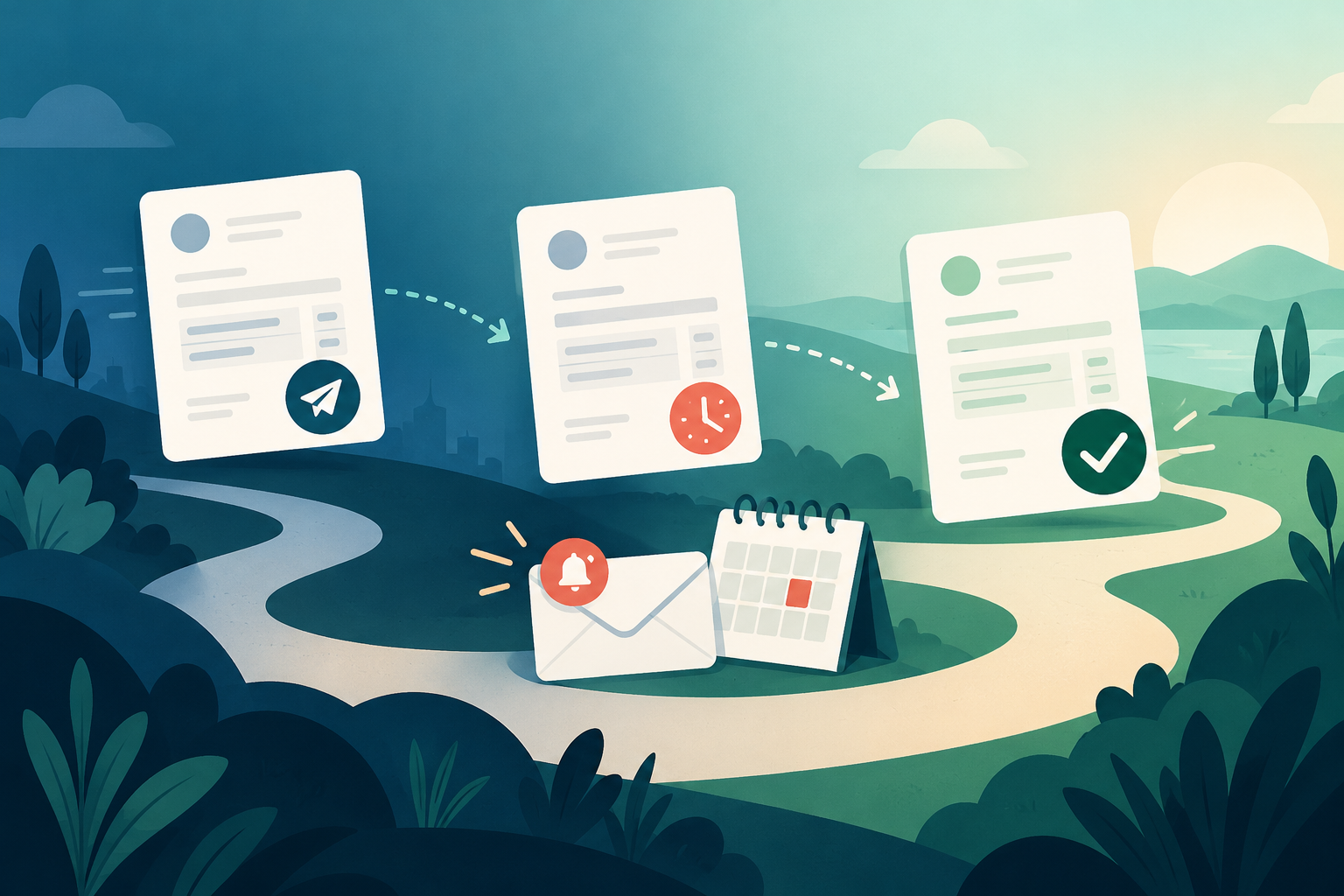
An invoice follow-up log is a chronological record of what the business did after sending an invoice. It helps another authorized person understand the balance, communication history and next step without searching through personal inboxes.
The log should be factual, limited to the invoice and protected like any other customer record.
Identify the invoice and balance
Every entry should point to one specific invoice. Record:
- Business and customer;
- invoice number;
- issue date and due date;
- original amount and currency;
- balance outstanding at the time of contact;
- whether the invoice is due, overdue, partially paid or disputed.
Keep the original invoice unchanged. Use customer invoicing to maintain the authoritative invoice and payment history.
Record each contact as its own event
For each call, email or secure message, include:
1. contact date and time;
2. channel used;
3. recipient name or business role;
4. person on your team who made the contact;
5. concise summary of what was asked and answered;
6. any promised payment or response date;
7. next action, owner and review date.
Do not overwrite an earlier entry when circumstances change. Add a new dated event so the sequence remains visible.
Document exceptions clearly
Use a clear flag when:
- the customer disputes the work, amount or tax;
- the invoice was sent to the wrong contact;
- payment was received but not matched;
- a credit, refund or revised agreement is under review;
- the customer asks for supporting documents;
- legal or professional advice is needed.
A dispute flag is not a write-off. A promised payment is not a received payment. Keep each fact in its correct state.
Protect personal and financial information
The log should not contain passwords, authentication codes, complete card data, unnecessary bank details, private receipt contents or personal opinions about the customer. Link to authorized documents instead of copying sensitive material into free-text notes.
Limit access to people who need the information for that Business. Do not place records for different Businesses or customers in one shared log.
Connect the log to regular reviews
Review the log during monthly review so open items have owners and dates. For repeat billing, recurring invoices can provide the invoice schedule, while the follow-up log explains exceptions and communication.
At year-end, the log can help an accountant understand why balances remain open, but it does not decide collectability, revenue recognition or tax treatment.
The CRA requires businesses to keep transaction records and supporting source documents. See business records and general requirements for books and records.
A practical log entry
A useful entry might read:
October 12, 10:30 a.m. — Email sent to customer accounts contact about invoice NS-104, balance CAD 640. Customer confirmed receipt and expects to respond by October 16. Next review: October 17. Owner: accounts follow-up.
It records the facts without unnecessary personal detail or a legal conclusion.
Frequently asked questions
Should I copy every email into the log?
Usually a concise factual summary and a secure link to the original message are easier to review. Retain the source communication according to the business's records policy.
Can several employees update the log?
Yes, if each person is authorized for that Business and entries identify who acted. Access and changes should remain auditable.
When should an entry be closed?
Close the operational follow-up when the balance is resolved or a documented decision moves it to another process. Do not delete the history.
Does a follow-up log prove a debt is legally enforceable?
No. It is supporting operational evidence, not a legal determination. Seek legal advice for disputed or escalated collection matters.