
Owner-paid expenses
What Proof to Keep for an Owner-Paid Expense
Build a clear evidence trail showing the purchase, Business purpose, owner payment and any later repayment.
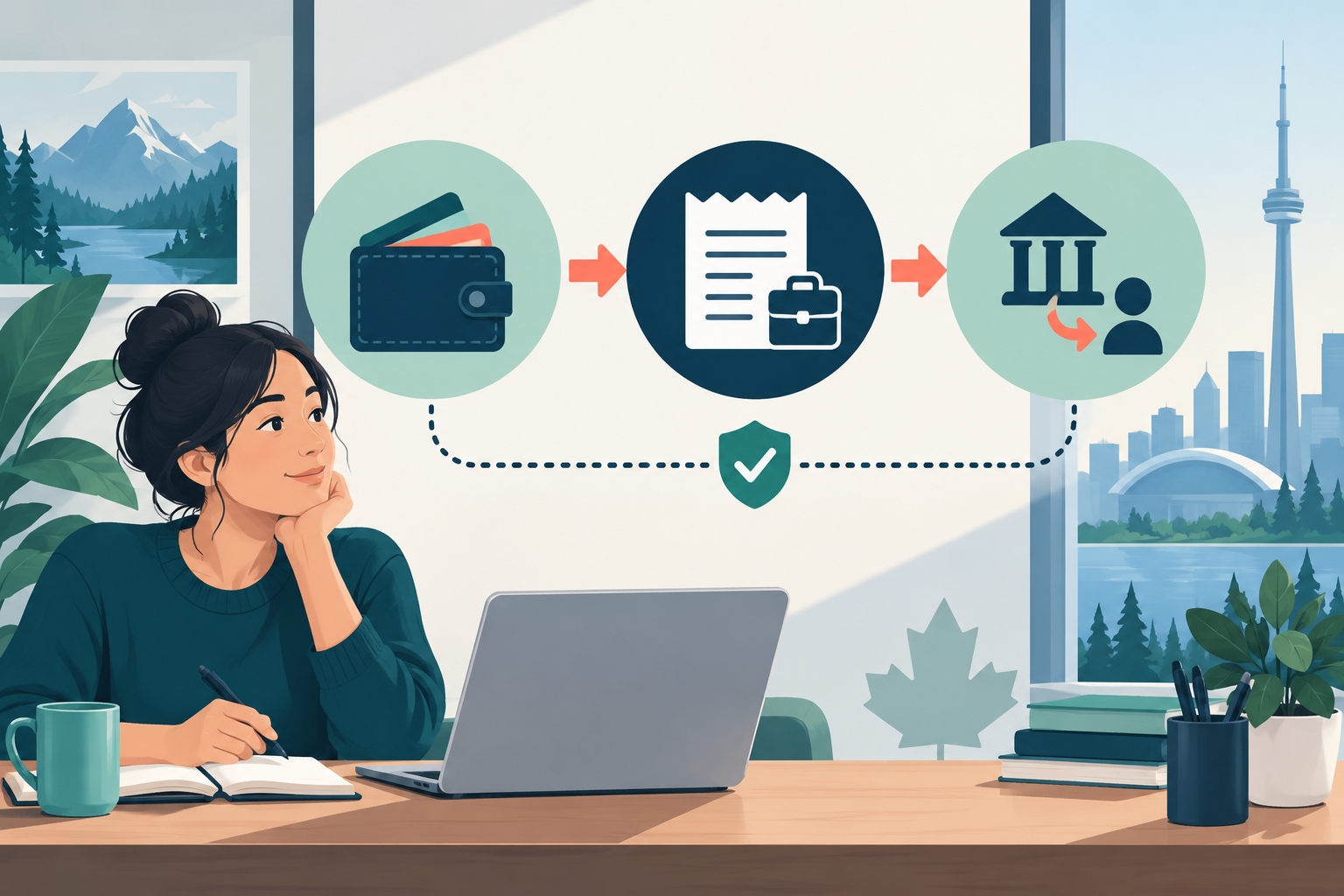
Keep proof of the purchase, proof that the owner paid, and a record connecting both to the correct Business. Later, keep separate proof of any repayment. Each document answers a different question and one does not automatically replace the others.
SilaTrail helps organize these records. It does not decide deductibility, ownership, GST/HST treatment or whether an amount is a shareholder loan, contribution or reimbursement.
Preserve the source document
The invoice or receipt should identify the supplier, date, goods or services and amount. Add a plain-language Business purpose when the document is vague. If the receipt contains personal and Business items, identify the supported Business portion without altering the original evidence.
The CRA says expense claims should be supported by invoices, receipts, agreements or other vouchers. For some purposes, a credit-card statement by itself is not sufficient documentary evidence because it does not describe the underlying supply.
Preserve proof of personal payment
Depending on how the owner paid, useful support may include:
- a personal card transaction that matches the supplier document;
- a cleared cheque or bank transaction;
- a payment confirmation; or
- a dated cash-payment acknowledgment.
Avoid uploading an entire personal statement when a limited, readable extract is sufficient for the Business record. Remove unrelated account activity and unnecessary identifiers while keeping the payment facts verifiable.
Connect the payment to the Business
Record who paid, which Business benefited and why the purchase was made. The supplier name alone is not enough when the owner runs multiple Businesses or buys personal items from the same merchant.
If the purchase supports more than one Business, preserve the full source and document the supported allocation. Do not record the full amount in every Business.
Keep repayment evidence separately
When the Business repays the owner, retain the date, amount, payment account and link to the claim. A Business bank transaction proves that money moved; the expense and personal-payment documents explain why.
During review, confirm the repayment does not exceed the supported outstanding balance and was not recorded as a second expense.
Frequently asked questions
Should I upload my complete personal credit-card statement?
Usually the Business record needs only the relevant evidence. Protect unrelated personal information while retaining enough detail to connect the payment to the purchase.
What if the supplier receipt is missing?
Document the supplier, date, amount, item and purpose using available alternative evidence, mark the gap and ask a professional what is acceptable. Do not manufacture a receipt.
Is a bank transfer to the owner enough?
It supports the repayment, but it does not by itself support the original purchase or Business purpose.
Continue the workflow
Use SilaTrail’s owner repayments, receipt capture and year-end readiness.
For current requirements, consult the CRA’s Business records, record definitions and Reimbursements guidance.