
Trips and mileage
What Odometer Records Should Self-Employed Canadians Keep?
Understand the practical odometer evidence that supports a complete vehicle and mileage record for review.
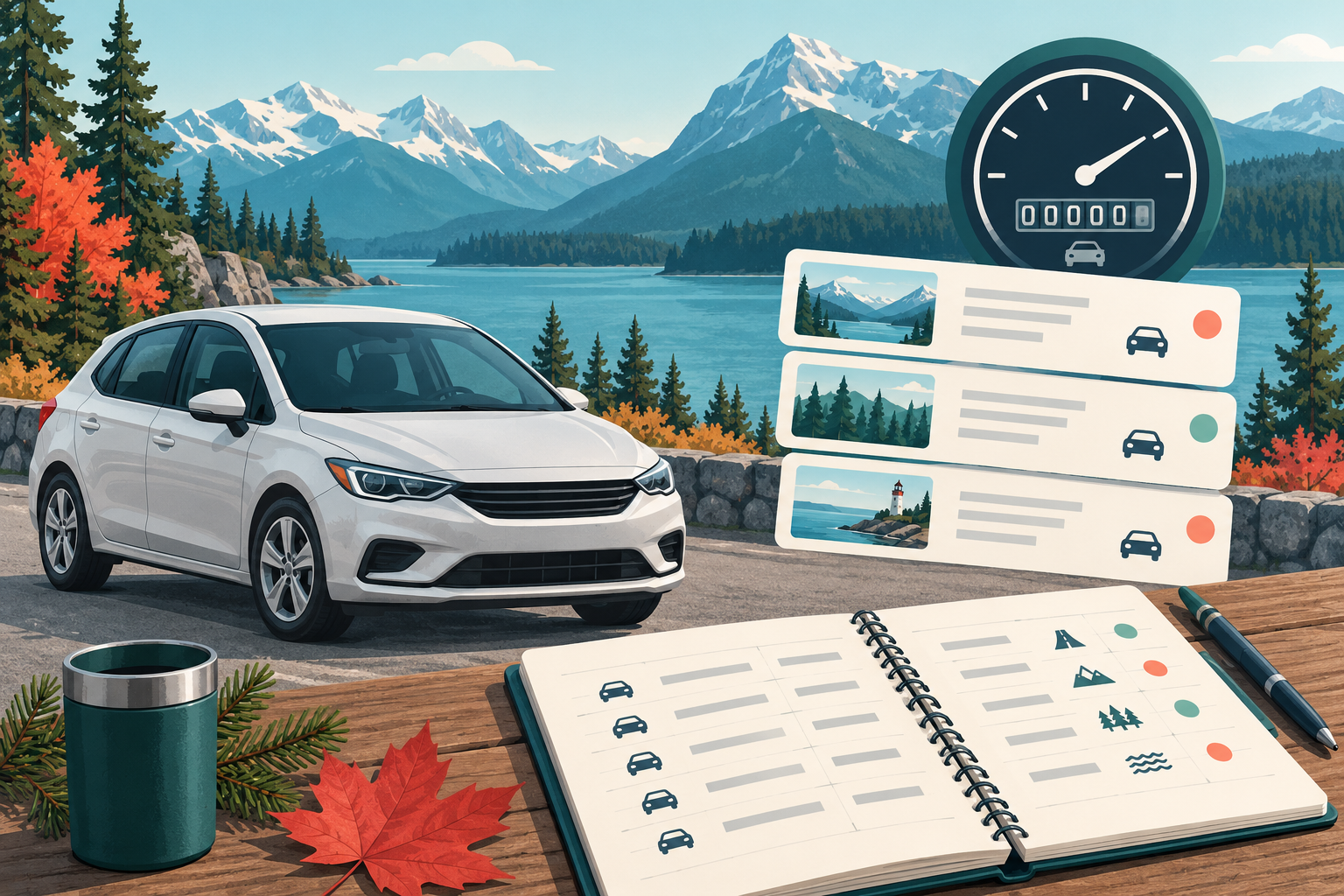
Record each vehicle’s odometer reading at the beginning and end of the fiscal period. Also record readings and dates when a vehicle is bought, sold or traded, then keep those readings connected to the vehicle’s trip log and total kilometres.
The CRA says the best evidence of business use is an accurate logbook maintained for the year. SilaTrail helps organize trips, vehicles and review work; it does not determine a deduction or certify a logbook.
Establish the opening reading
At the start of the fiscal period, capture:
- the reading shown on the odometer;
- the date and time period it represents;
- the specific vehicle; and
- a supporting image or note when useful.
Use a stable vehicle label such as year, make and internal identifier. Avoid relying only on colour or a generic label when more than one similar vehicle is used.
Track changes during the year
You do not need an odometer photo for every trip, but the sequence should be explainable. Trip distances should fit within the movement between known readings. Add periodic readings during monthly review if that helps detect missed trips or data-entry errors.
If the odometer is replaced, rolls over or becomes unreliable, record the event, date, prior reading and new reading. Do not silently edit historical trips to make totals align. Preserve the exception and seek professional guidance about the supporting evidence required.
Record vehicle changes
When a vehicle enters or leaves service, keep the date and odometer reading for the purchase, sale or trade. Close the old vehicle’s period and begin the new vehicle separately. Costs and kilometres from two vehicles should not be combined into one record merely because the replacement happened mid-year.
The CRA specifically requires separate records when more than one vehicle is used for business. Each vehicle’s record should show total kilometres, business kilometres and its own operating costs.
Reconcile the readings
Use this equation as a reasonableness check:
Closing reading − opening reading = total odometer movement
Compare that movement with recorded business trips and the personal or other use needed to explain the vehicle’s total distance. Differences are a signal to investigate, not a reason to invent trips.
Frequently asked questions
Should I record kilometres or miles?
Use the unit shown by the vehicle and keep the unit explicit. If a conversion is needed, document the method and retain the original reading.
What if I forgot the opening reading?
Do not guess. Preserve later readings and look for dated service, purchase or inspection records that may support the position. Discuss any reconstruction with a qualified professional.
Is an odometer photo enough for a mileage claim?
No. It supports a reading, but the trip log still needs dates, destinations, purposes and kilometres for business travel.
Continue the workflow
Use SilaTrail’s mileage tracking, monthly review and year-end readiness.
For current requirements, consult the CRA’s Motor vehicle records and T4002 guidance for more than one vehicle.