
Owner repayments
How to Record a Business Purchase Paid With a Personal Card
Record the expense once, preserve the receipt, identify the owner payment and track any repayment without duplicating the purchase.
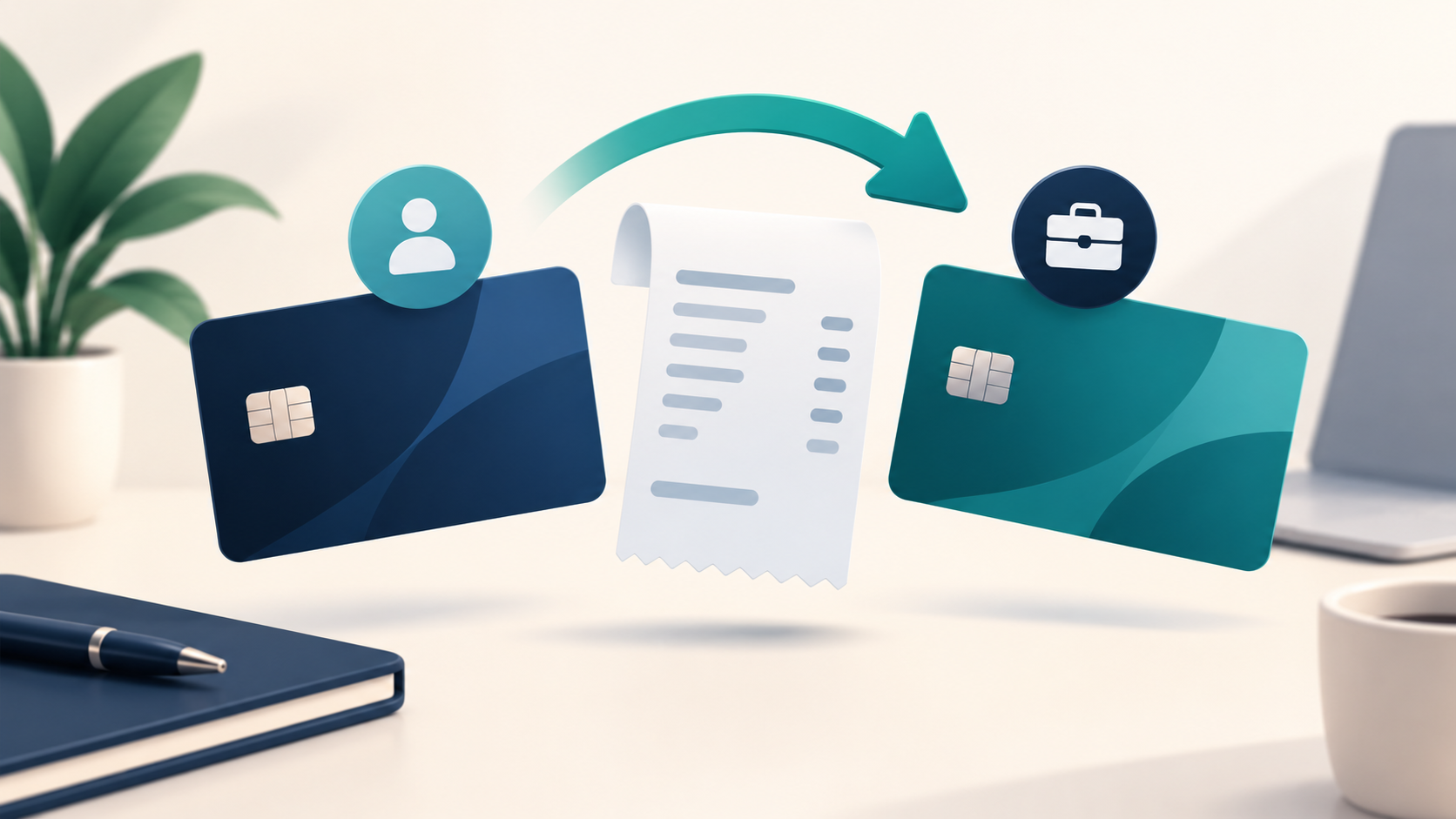
Owners sometimes pay a Business cost with a personal card. The key is to keep the purchase, payment source and repayment connected without recording the expense twice.
This is a recordkeeping workflow, not advice about legal structure, shareholder loans, deductibility or tax treatment. Ask your accountant how the amount should be treated in your books.
Record the Business expense once
Create the expense under the Business that received the goods or services. Include the transaction date, supplier, amount, category, Business purpose and supporting receipt.
Mark the payment source as personal or owner-paid. Do not put the expense into a personal-only workspace if it belongs to the Business, and do not create another expense when the Business later repays the owner.
Preserve the supporting document
The receipt or invoice should remain attached to the original expense. A card statement may help prove payment, but it may not describe the goods or services. Keep the strongest available evidence together.
If the receipt is missing, document the facts and request a replacement. Avoid inventing a receipt or filling gaps with unsupported assumptions.
Track the amount owed to the owner
Once an owner-paid expense is recorded, it can contribute to an outstanding owner-repayment balance. That balance should be scoped to the same Business and should be traceable back to the source expenses.
If several owner-paid expenses exist, keep enough detail to know which items remain unpaid.
Record the repayment separately
When the Business returns money to the owner, record a repayment against the outstanding balance. The repayment is not a new expense; it settles all or part of an amount already recorded.
A safe workflow should prevent repayment above the remaining balance and should handle retries without creating duplicate repayments.
Example
Suppose an owner pays for office supplies with a personal card:
1. Record one office-supplies expense in the correct Business.
2. Attach the receipt.
3. Mark it as personally paid.
4. Review the resulting owner-paid balance.
5. When the Business repays the owner, record the repayment against that balance.
The expense total should not increase when the repayment is recorded.
Month-end checks
Review:
- owner-paid expenses with no receipt;
- repayments with no linked balance;
- amounts recorded in the wrong Business;
- duplicate expenses created from statement imports; and
- repayments greater than the outstanding amount.
SilaTrail keeps owner-paid expenses and repayments visible as related but distinct records. It does not determine the accounting or tax classification.
For general supporting-document guidance, consult the CRA’s Business expenses and Business records pages.
Continue the workflow
- See how SilaTrail handles owner repayments.
- Read Owner-Paid Business Expenses in Canada: Records to Keep.