
Owner-paid expenses
How to Track Money Your Business Owes You
Maintain a supported owner-paid balance without turning personal purchases or repayments into duplicate expenses.
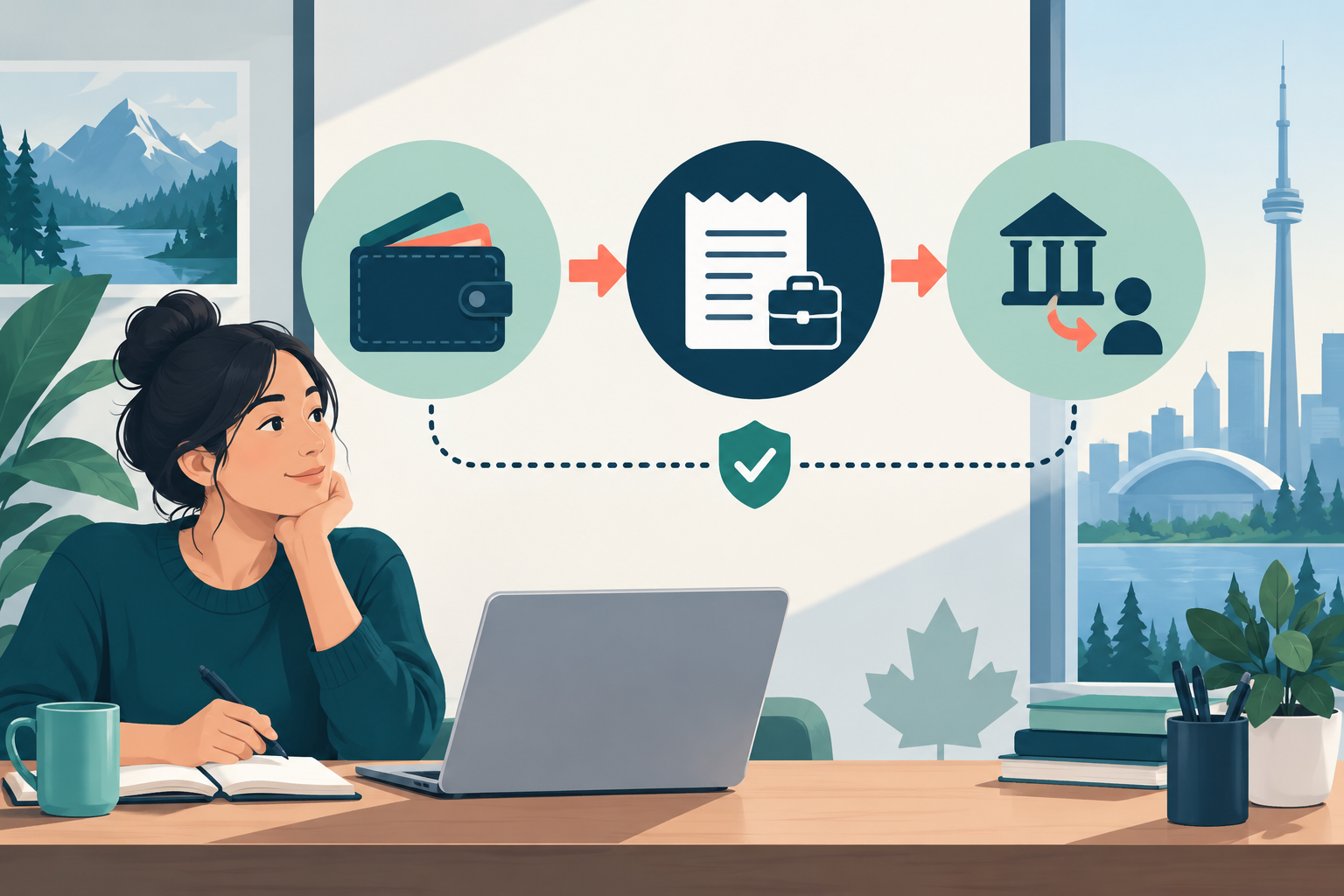
Track money the Business owes you with an itemized owner-claim ledger. Add each supported owner-paid Business purchase once, subtract repayments once and keep the remaining balance traceable to its source records.
The balance is a recordkeeping aid, not an accounting conclusion. Entity type and circumstances may change whether an amount is treated as a payable, contribution, shareholder transaction or something else. Confirm treatment with a qualified professional.
Build the balance from supported claims
For every owner-paid item, record:
- the purchase date and supplier;
- the supported Business amount;
- what was purchased and why;
- who paid and from which source;
- the related receipt or invoice; and
- the amount still unpaid to the owner.
Do not add a general “owner money” total without the underlying transactions. A reviewer should be able to move from the balance to each source document.
Keep funding and expenses separate
An owner may transfer cash into a Business account, pay a supplier directly or cover several purchases personally. Those events are not interchangeable. The supplier expense records the purchase; the funding or claim records how it was paid; a repayment records money returned later.
If cash was added without a specific purchase, document the transfer and intended purpose separately. Do not create an expense merely to make the owner balance increase.
Reduce the balance only for real repayments
When the Business pays the owner, link the payment to one or more open claims. Verify the amount and payment evidence, then reduce the outstanding balance. Do not close claims because the Business paid a similarly sized amount for an unrelated purpose.
Use a running reconciliation:
Supported owner-paid claims − linked repayments = outstanding owner balance
Investigate negative balances, repayments larger than claims and claims duplicated from both a receipt and a bank statement.
Review by Business
Keep a separate balance for each Business. Access to one Business must not reveal another Business’s owner-paid transactions or private receipts. When preparing an accountant package, include the opening balance, new supported claims, repayments and closing balance for the exact period.
Frequently asked questions
Can I use a spreadsheet total without listing the expenses?
A summary is useful, but it should remain traceable to the individual purchases, payment evidence and repayments.
What if the Business repays only part of a claim?
Record the actual payment and leave the remaining amount open. Do not mark the entire claim paid.
How long can the balance remain outstanding?
That may have legal, tax or accounting consequences depending on the entity and facts. Ask a professional; SilaTrail does not determine the deadline or treatment.
Continue the workflow
Explore SilaTrail’s owner-repayment records, monthly review and accountant-ready package.
For CRA context, review Business records for source-document expectations and recordkeeping responsibilities for the duty to maintain adequate records. These sources do not decide the classification of a specific owner balance.