
Owner-paid expenses
How to Reimburse Yourself for a Business Expense in Canada
Document the original owner-paid expense and the later repayment as connected but separate records.
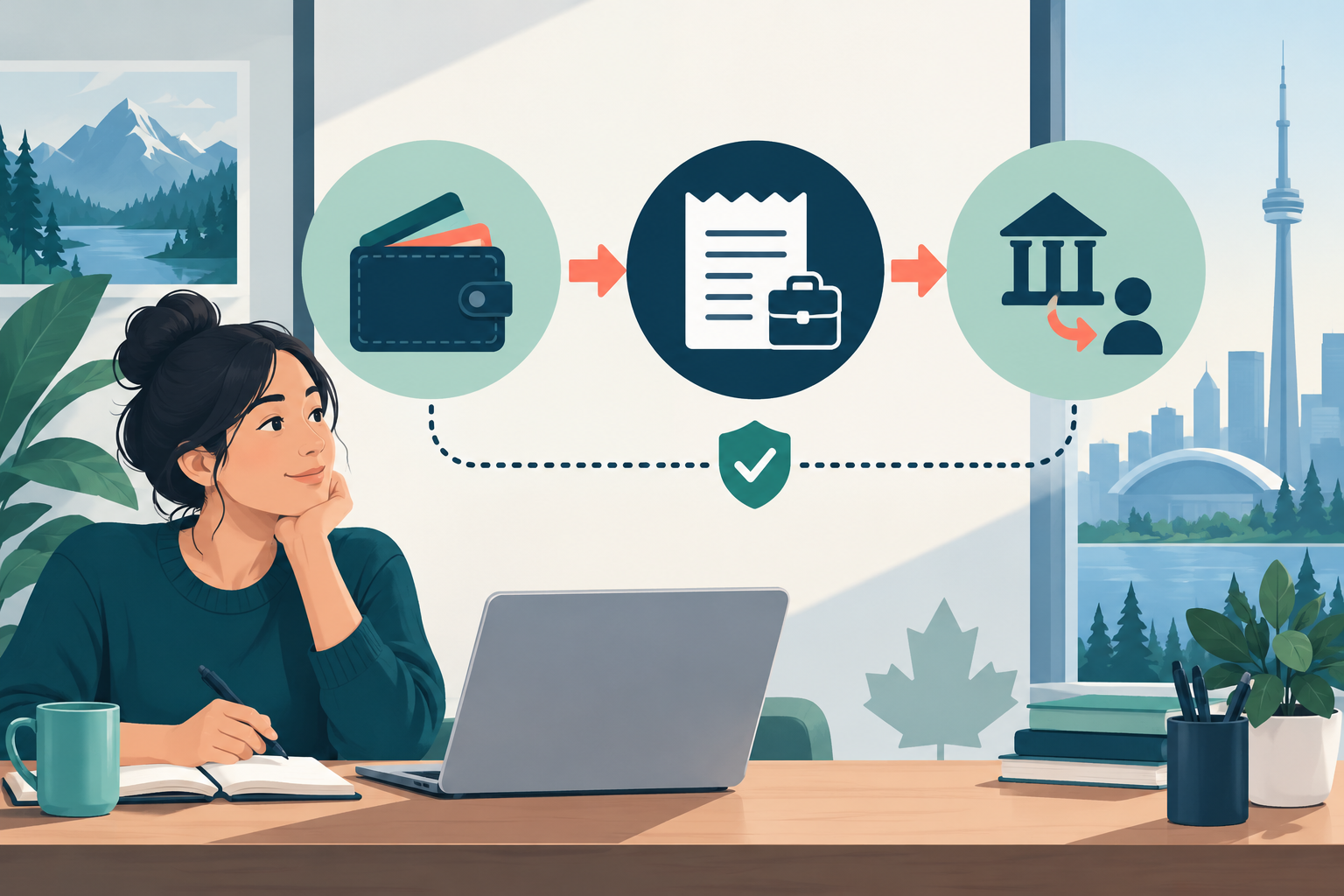
When you pay a Business expense personally, preserve the purchase record first, identify who paid and record any later repayment as a separate linked transaction. Do not create a second expense when the Business returns the money.
The legal and tax treatment can differ for a sole proprietorship, partnership or corporation. SilaTrail organizes the record trail; it does not decide whether a payment is a reimbursement, shareholder transaction, contribution, draw or deductible expense.
Record the purchase before the repayment
Start with the supplier invoice or receipt. Capture the date, supplier, description, amount, Business purpose and applicable tax information. Mark that the owner—not the Business account—paid it, and retain proof of the personal payment when appropriate.
The expense record explains what the Business bought. The owner claim explains who funded it. Keeping those facts together prevents the purchase from disappearing merely because it was paid with a personal card.
Confirm what the Business owes
Before transferring money, review the supported owner-paid amount. Exclude personal portions, credits, refunds and any amount already repaid. If the proper treatment is uncertain, leave it open for the accountant rather than labelling it based on convenience.
Use a clear reference that connects the approved amount to the underlying expense. For several purchases, create a repayment summary listing each included claim.
Record the repayment separately
When the Business pays the owner:
1. record the payment date and amount;
2. identify the Business payment account;
3. link it to the owner claim or supported expenses;
4. retain bank evidence or another payment record; and
5. reduce only the outstanding owner balance.
The repayment is not a new supplier expense. Recording it again in the expense list would double-count the cost.
Review the remaining balance
After the payment, confirm that the original expense remains in the correct Business, the repayment appears once and any unpaid portion is still visible. A partial payment should not close the entire claim.
CRA guidance requires transactions and expense claims to be supported by records such as receipts, invoices, bank statements and credit-card records. A statement alone may show that money moved, but it may not describe what was purchased.
Frequently asked questions
Can I reimburse myself without a receipt?
Preserve every fact and alternative document available, but do not invent missing evidence. Ask your accountant what support is appropriate for the circumstances.
Is the repayment taxable income to me?
That depends on the entity, relationship and facts. SilaTrail does not determine the tax treatment; obtain professional advice.
Can I repay several owner-paid expenses at once?
Yes, if the payment is supported by a clear schedule connecting the total to each approved claim and preventing duplicates.
Continue the workflow
See SilaTrail’s owner-repayment workflow, receipt capture and monthly review.
For authoritative recordkeeping guidance, read the CRA’s Business records and what records to keep.