
Owner-paid expenses
How to Prevent Double-Counting Owner Repayments
Separate expense recognition from cash repayment so one owner-paid purchase affects records only once.
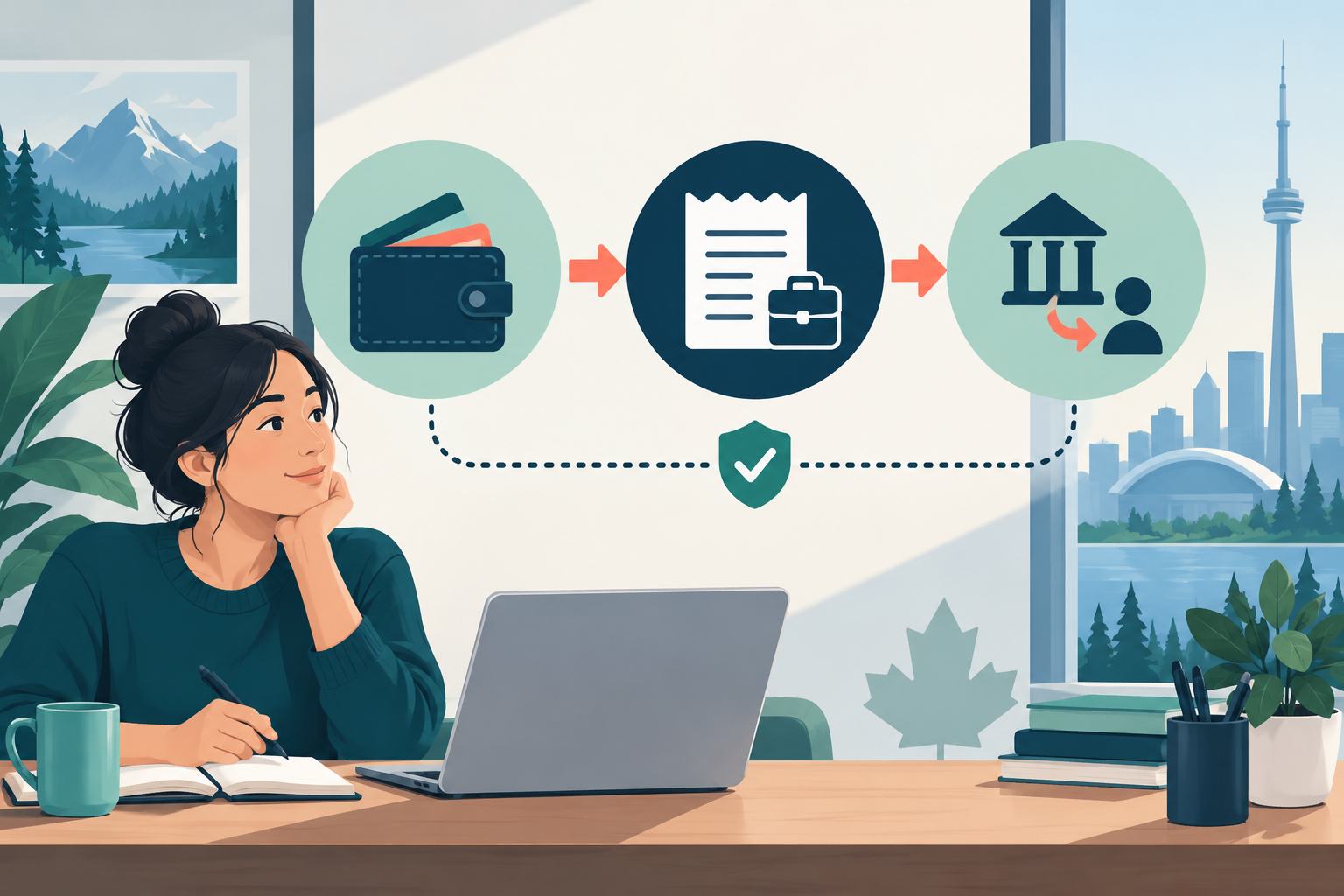
Prevent double-counting by recording the supplier purchase once and every repayment once. A receipt, personal-card statement, Business bank transfer and owner claim may all describe the same economic trail; they are not four separate expenses.
SilaTrail connects these records without choosing their accounting or tax treatment. A qualified professional should resolve entity-specific questions.
Map the record trail
A typical owner-paid purchase contains four distinct elements:
1. the supplier invoice or receipt;
2. proof the owner paid personally;
3. the owner claim or balance; and
4. the Business repayment, if one occurs.
The first element is the expense. The others explain funding and settlement. Keep them linked rather than turning each document into a new expense record.
Match before creating
Before adding an expense from a receipt, email or statement, search for the supplier, date, amount and invoice number. A bank or card import may represent a transaction already captured from the receipt.
Before recording a repayment, search the Business bank activity and owner claim history. Do not record both the transfer and a manually entered repayment as separate settlements.
Use stable identifiers
Give every claim a reference and link repayments to it. For batch repayments, keep a schedule listing the claims and amounts included. This makes the Business payment total explainable and prevents the same claim from being selected again.
When a refund or credit arrives, connect it to the original purchase and recalculate the owner balance. Do not create a negative expense and leave the original claim unchanged.
Run three controls
At month-end, check:
- Expense control: each supplier purchase appears once.
- Claim control: each owner-paid amount is supported by one expense trail.
- Repayment control: total repayments do not exceed the supported open claims.
Investigate duplicated invoice numbers, identical amounts on the same date, negative owner balances and repayments with no linked claim.
Frequently asked questions
Is a personal card transaction another expense?
No. It is payment evidence for the underlying purchase. The receipt or invoice explains what was bought.
Should a repayment be categorized as a new expense?
No. Recording it as a second expense would double-count the purchase. Link it to the owner claim.
What if an imported bank transaction duplicates a manual repayment?
Match or reconcile the existing record rather than creating another payment. Preserve the correction trail.
Continue the workflow
Use SilaTrail’s owner-repayment controls, bank-statement review and month-end workflow.
For official guidance, consult the CRA’s Business records, record definitions and Reimbursements.