
Expense records
How to Document Cash Business Expenses
Create a clear evidence trail for cash expenses using contemporaneous notes, available documents and careful review.
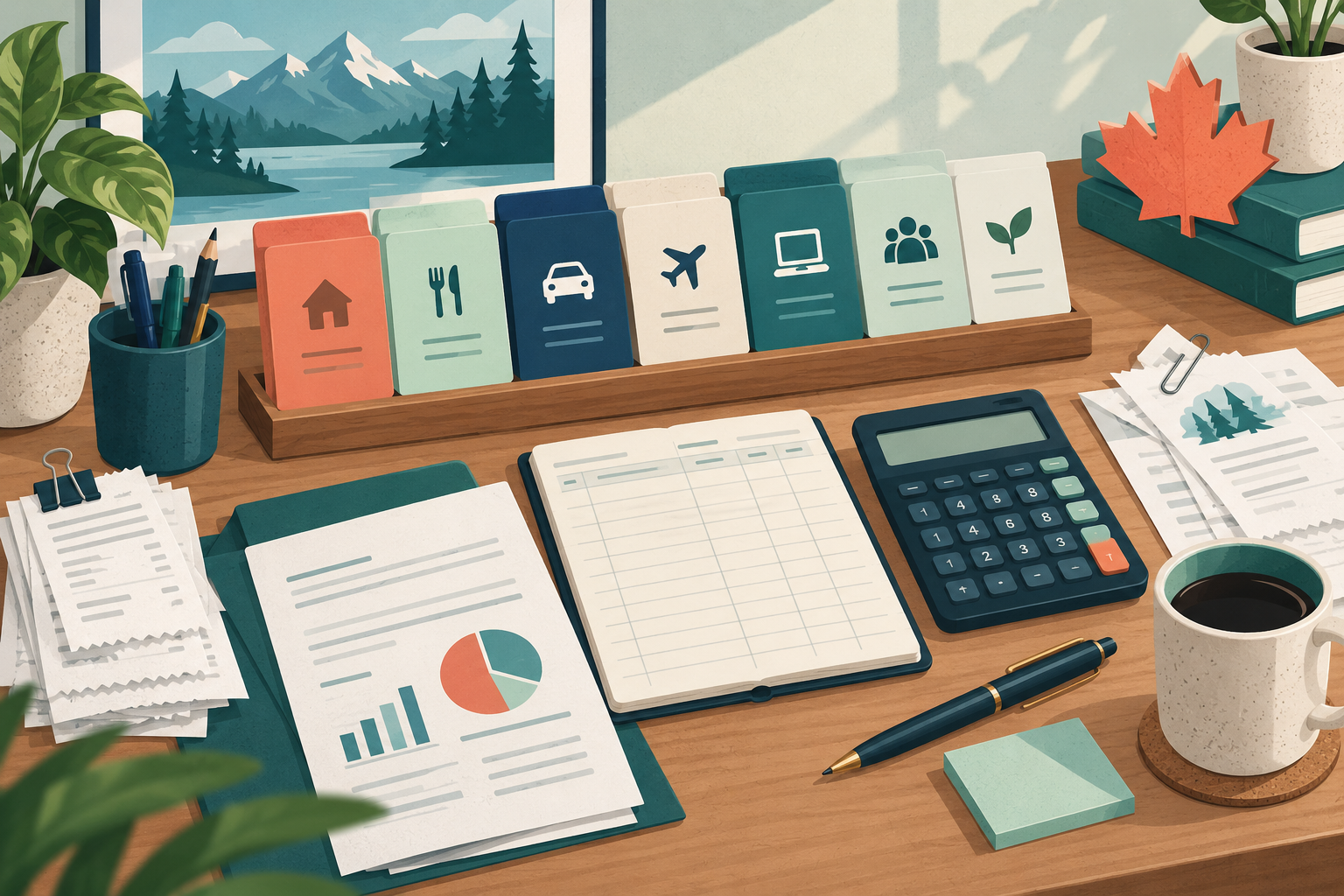
Document a cash business expense as soon as it happens. Keep the receipt or invoice when available, record who was paid, the date, amount and business purpose, and identify which Business and cash source were involved.
Start with the source document
Ask for a receipt or supplier invoice even for a small cash purchase. A useful document shows the date, supplier, items or services, total and tax details when applicable. Photograph or scan it while it is readable and keep the original if required for your records.
The CRA says that when a receipt is not available, the expense journal should record the supplier’s name and address, the amount paid, the date and the transaction details. A note is not a substitute for evidence when evidence should exist, but it is better than an unexplained amount.
Record the complete cash trail
For each cash purchase, capture:
- transaction date and payee;
- amount, currency and taxes shown;
- goods or services purchased;
- plain-language business purpose;
- the exact Business;
- whether business cash or an owner’s cash was used; and
- receipt, voucher or missing-document note.
Use SilaTrail’s receipt capture and expense records to keep these facts together.
Do not treat a cash withdrawal as the expense
An ATM withdrawal only moves money into cash. The expenses occur when that cash is spent. Reconcile the withdrawal to documented purchases and any remaining cash rather than recording the entire withdrawal as one vague expense.
For petty cash, keep a simple running balance: opening cash, documented purchases, replenishments and closing cash. Investigate differences instead of creating a balancing expense with no evidence.
Separate owner cash from business cash
If an owner pays personally, mark the payment source accurately. The business may owe the owner, but that does not create a second expense when repayment occurs. Keep the original purchase and any later repayment linked without double-counting.
Review cash items during monthly review, when missing documents and balance differences are still recent.
Frequently asked questions
Is a handwritten receipt acceptable?
It can support a transaction if it clearly identifies the supplier, date, items and amount. Keep any additional evidence such as an invoice or payment note.
How should a cash tip be recorded?
Record the amount separately with the related business event and available receipt. Do not inflate the supplier total without explanation.
What if the receipt is lost?
Request a replacement first. If none is available, document the CRA-required details and why the receipt is missing, then flag the item for review.
Official guidance
See the CRA’s Business records and business expenses overview.
This is an operational recordkeeping workflow, not tax or accounting advice.